
Searching Cass County Criminal Dockets
The statewide tool for the job is MCRO Case Search. Set the location filter to Cass County and the category to Criminal. From there you can search by case number, citation number, name, or attorney. A full case number works best. Keep in mind that the portal limits what it shows by case type, date, Rule 8, and name-search rules, so open Case Information and the Register of Actions to verify each result before trusting it as the criminal docket you wanted.
Two companion tools help. MCRO Document Search pulls public filings when you have a complete case number, and Hearing Search filters by criminal category, Cass County, case number, name, attorney, judicial officer, or a date range. For a same-day view, the Cass daily calendar lists arraignment, omnibus, plea, probation-violation, review, and trial settings. If a document will not display from home, the courthouse public-access terminal gives the fullest electronic district-court view, and Court Administration can point you to any locally stored paper records.
- Select Case Number, Citation Number, Name, or Attorney in MCRO.
- Choose Criminal and Cass County, then add a filed-date or status filter if it helps distinguish results.
- Use the complete number without spaces when it is known.
- Open View Case Details and verify the court, case type, filing date, party role, and event history.
- Use Document or Hearing Search, the current Cass calendar, and the terminal or counter fallback for the item actually needed.
Cass County Criminal Docket Search Limits
One MCRO caution matters here. Pending criminal, traffic, and petty-misdemeanor cases with no conviction may not show up in a defendant-name search in specified circumstances. So a blank result proves very little. If your first search fails, try the complete case number, then a name with and without a middle name, punctuation variants, a valid wildcard suffix, or tighter category and county limits. Never pair a wildcard with Sounds Like. When a possible hit appears, confirm it by venue, case type, filing date, and party role.
| Question | Preferred MCRO input | Cass County check |
|---|---|---|
| Known criminal case | Complete case number | Criminal category and Cass venue |
| Citation-based matter | Citation number | The court case number may be assigned later |
| Public case by person | Person name, Cass, Criminal | Run spelling and middle-name variations |
| Hearing | Hearing Search by number or name | Compare the latest calendar and notice |
MCRO is a limited public-court interface. It is not a complete criminal history. It works best for finding one Cass County case and its public court activity.
Inside a Cass County Criminal Docket
What sits inside a criminal Register of Actions? Potentially a case overview, Case Information, party roles, warrant information, the charge block with amended-charge history, interim conditions, case assignment, events listed newest first, hearings, dispositions, bond or bail activity, and financial information. Not every public view carries every field or document. Read the charge block as a structured record of allegations and later changes, not a statement of guilt or a full narrative.
| Case Information | Case number, category, venue, filed date, assigned judicial officer, and public status. |
|---|---|
| Charges | Public charge and amended-charge history where displayed; the disposition event controls what happened to a count. |
| Hearings and events | Arraignment, pretrial work, motions, settings, orders, and other recorded activity. |
| Bond and conditions | Public bond or bail activity and interim conditions, distinct from a final result. |
| Disposition and financials | Outcome-related events and separate fine, fee, payment, credit, or balance information where public. |
A missing View Document link can stem from remote restrictions, sealing, case type, date coverage, or plain technical availability. It does not mean the event never happened.
Cass County Criminal Docket Settings
The Cass calendar prints local setting labels but ships without a Cass-specific abbreviation codebook. Some general readings apply. Arraignment usually marks an initial appearance. Omnibus and Contested Omnibus are criminal pretrial labels. Plea Hearing and Probation Violation Hearing signal their own stages. So do Review Hearing, Motion Hearing, and Jury Trial. Each label points to a different stage or event. A label tells you what proceeding was scheduled, not what resulted. Let the event text, orders, and disposition control how you read a criminal docket.
- Arraignment
- An initial criminal appearance shown as a setting.
- Omnibus hearing
- A criminal pretrial setting, sometimes followed by a contested omnibus event.
- Disposition
- The result recorded for a charge or case, such as dismissal, conviction, or another stated outcome.
- Probation violation hearing
- A later supervision-related setting, not automatically a new criminal case.
Courtroom details live in the PDF calendar: Court Room 3, Court Room 4, Zoom, or another location. Whether an appearance is remote, in person, or hybrid is set by Policy 525 and the individual notice. eCheck-In may be open to eligible parties, but it never excuses attendance.
How a Criminal Case Moves
Most Cass County criminal cases trace a familiar arc in the Register of Actions. The arc runs filing or citation, arraignment, pretrial activity, plea or trial, disposition, then sentencing. The exact path depends on the public case record. An initial appearance may add counsel, conditions, bond activity, or a hearing. Pretrial events can include omnibus, contested omnibus, motion, status, or review settings. A plea setting often leads to disposition and sentencing. But never infer the outcome just because a plea event appears on the docket.
Filing → Arraignment → Pretrial → Plea or Trial → Disposition → Sentencing is a useful timeline, not a guarantee of the next docket entry. A trial date can change, and a saved calendar can show an older setting after a later event changes the next date. After disposition, the docket can show probation review, violation activity, financial entries, warrants, judgments, or an appeal-related event.
Note: Bond, bail, payment, and hearing entries deserve separate reading from the final disposition, because none of them alone proves a conviction.
Cass County Criminal Docket Filing Routes
Minnesota eFile and eServe handles filing and service for covered documents. Charging documents are a different animal. Criminal complaints, citations, and tab charges do not go through it. Juvenile delinquency petitions and citations are excluded from the ordinary eFS route too. Attorneys, government agencies, and law enforcement can still use eFS for other covered noncharging documents. Someone searching public cases should not mistake the e-filing tool for a separate criminal-docket database.
The distinction matters when you follow an opening event. A complaint, citation, or other charging record can start the court case without ever touching the ordinary eFS path. For public access, MCRO remains the remote layer for available case events and documents. When a record stays hidden from the portal, other routes still work. Court Administration, the courthouse terminal, and the copy process are the ones to use.
Courts That Hold Criminal Dockets
Cass County criminal dockets live with the Minnesota District Court. The local seat is Cass County District Court. Cass County Court Administration handles the paperwork for every stream: criminal, traffic, civil, family, juvenile, probate, and conciliation. One office, one clerk staff. Cass County runs no separate municipal or justice-court criminal docket. So don't go hunting for a second criminal clerk. City offices can answer administrative notices on ordinances. A filed state criminal case, though, belongs with Court Administration alone.
Cass County District Court
Cass County Courthouse, Walker, MN 56484
218-888-5150
Public criminal access: MCRO, daily calendar, courthouse terminal, counter, and mail copy request.
Appeals work differently. Keep your original Cass case number apart from the appellate case number, because the two records never merge. Cass Court Administration keeps the trial file. The appellate court has its own clerk and its own search system.
Cass County Criminal Docket Wellness Court
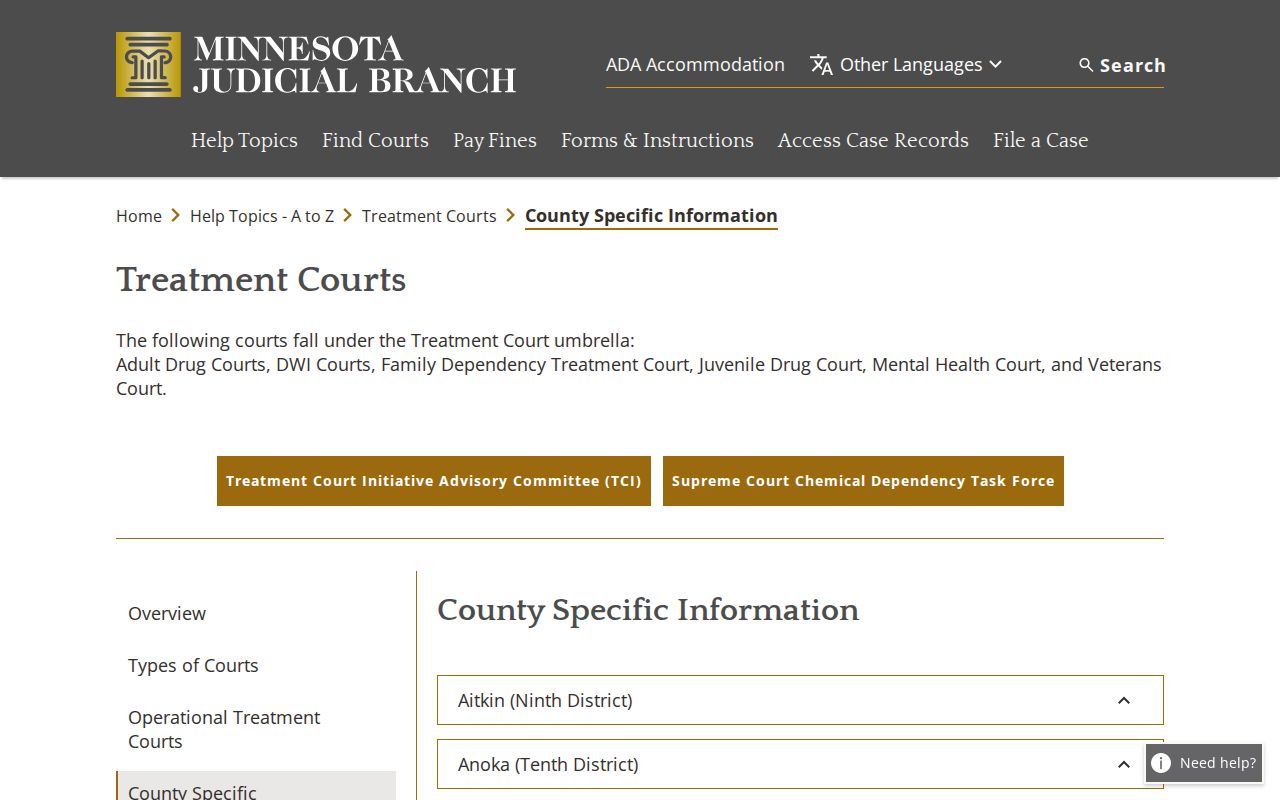
Cass County runs a problem-solving docket with a long name. It is the Cass County Leech Lake Band of Ojibwe Joint Jurisdiction Wellness Court. It sits connected to the District Court rather than as a freestanding tribunal. There is no separate public portal for it, no independent calendar, no special case-number prefix, and no searchable roster of participants. A public case stays tied to its underlying court case. Program participation might surface as an event, a case flag, or a hearing label. It might not show remotely at all. Minnesota’s county-specific treatment-court information names the Cass program. It also explains how the program fits the state's treatment courts.
For a public court search, stick with the regular case number and the criminal category. A name match alone proves nothing about treatment participation, and private compliance details are not yours to reconstruct.
Sealed Dockets and Public Access
Rule 8 controls who may inspect Cass County criminal records. It also sets what can be reached electronically. Remote MCRO access can cover public registers of actions, calendars, indexes, judgments, and some documents. Restrictions still narrow the view. Juvenile records, sealed or confidential material, and certain commitment-related records call for special handling. So do street addresses and exhibits. A calendar entry or case event may be public. That does not put every document on your screen.
Restricted criminal records:
Minnesota Rule 8 sets the access framework for original and remote court records.
Minn. Stat. § 609A.03 governs the expungement petition and sealing process.
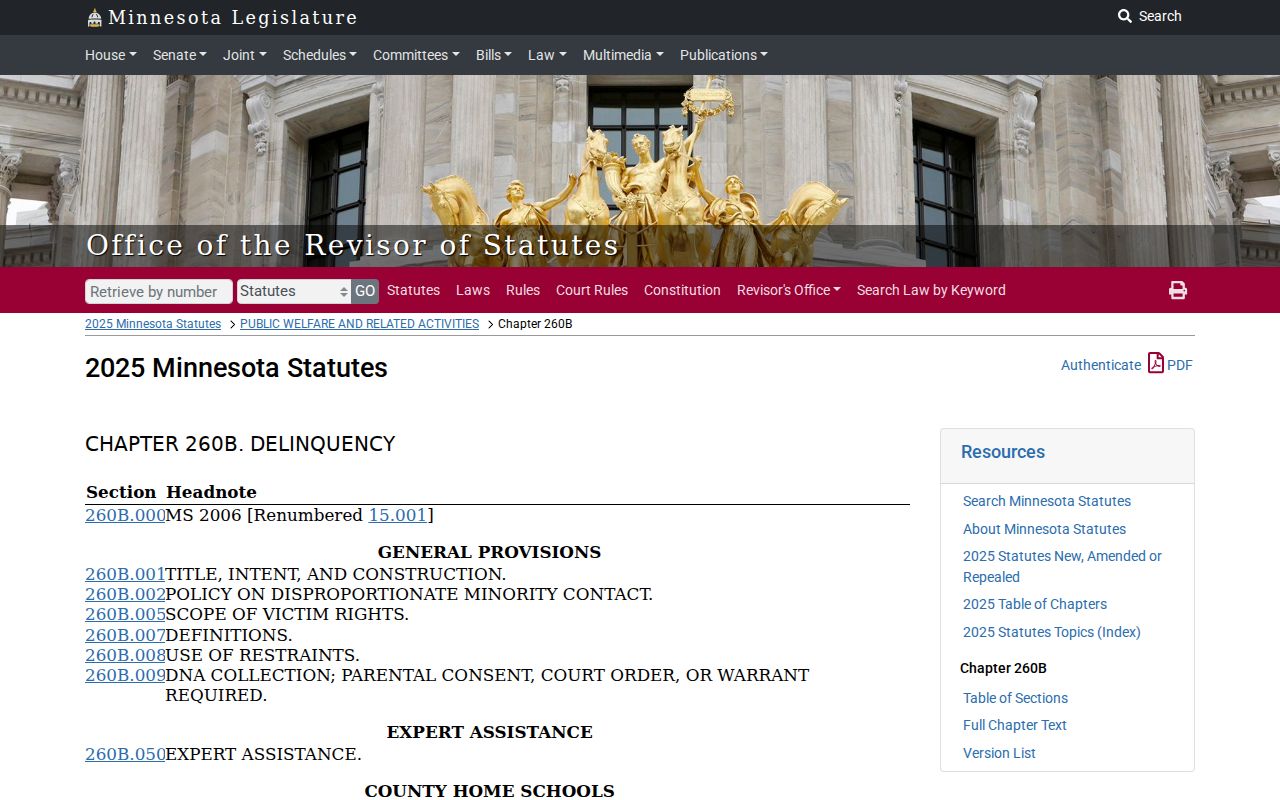
Minnesota Statutes chapter 260B provides the juvenile confidentiality framework.
The official juvenile confidentiality source explains the statutory setting for restricted juvenile material.
Need a restricted item? Name the case and the exact record, then ask Court Administration which form or authority governs it. A routine copy request will not lift a seal.
Cass County Criminal Docket Copies
With an older criminal file, bring the case number. Ask Court Administration where it sits: local storage, an archive, an imaging system, or a terminal in the building. Fees are posted in tiers. Plain copies, printouts, scans, and screen prints are listed at $0. A certified copy of an instrument, an imaged or e-filed document, or a screen print runs $14. An exemplified-and-certified copy costs $28, and scanning carries a $25-per-50-pages charge.
Ask precisely for the document, docket sheet, judgment, or order you need. Say which copy type. Counter requests are often same day. Off-site material can take longer. A mail request should name the file, the item, your delivery address, and any payment required. A document you pull remotely helps you locate things. But it is not a certified criminal record.
One more caution. The Judicial Branch’s scam warning tells Minnesotans to verify any remote-hearing message. Do it through official channels before responding.
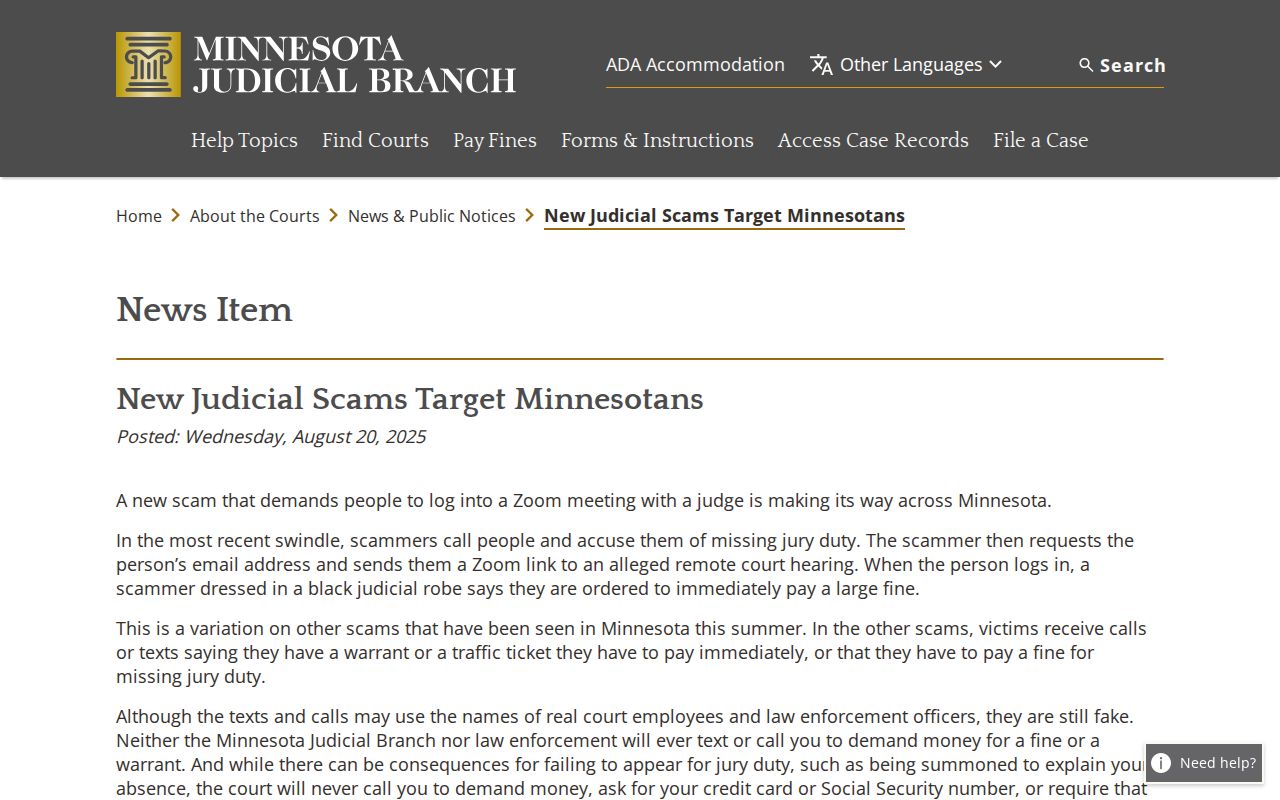
Courts and law enforcement do not call or text demanding money. Check the notice, the calendar, MCRO, or Court Administration before acting on any criminal case setting or payment question.